It’s Spring – again!

Here we are again, March 2023, nearly a year on – my intention of keeping posts going through the year gone yet again!

March has come ‘in like a lamb’, as the saying goes, but with the vagaries of the weather due to global warming we wait to see if it goes ‘out like a lion’. Today is a cool, dull, day, nothing happening in the garden or the copse – unless you look and listen.

On the bird front, the feeders are quiet but a couple of Siskins are hanging around, perhaps making sure the Sparrowhawk is out of the way, and the band of Goldfinches has already breakfasted, leaving plenty on the ground for the Chaffinches and Dunnocks to clear up.
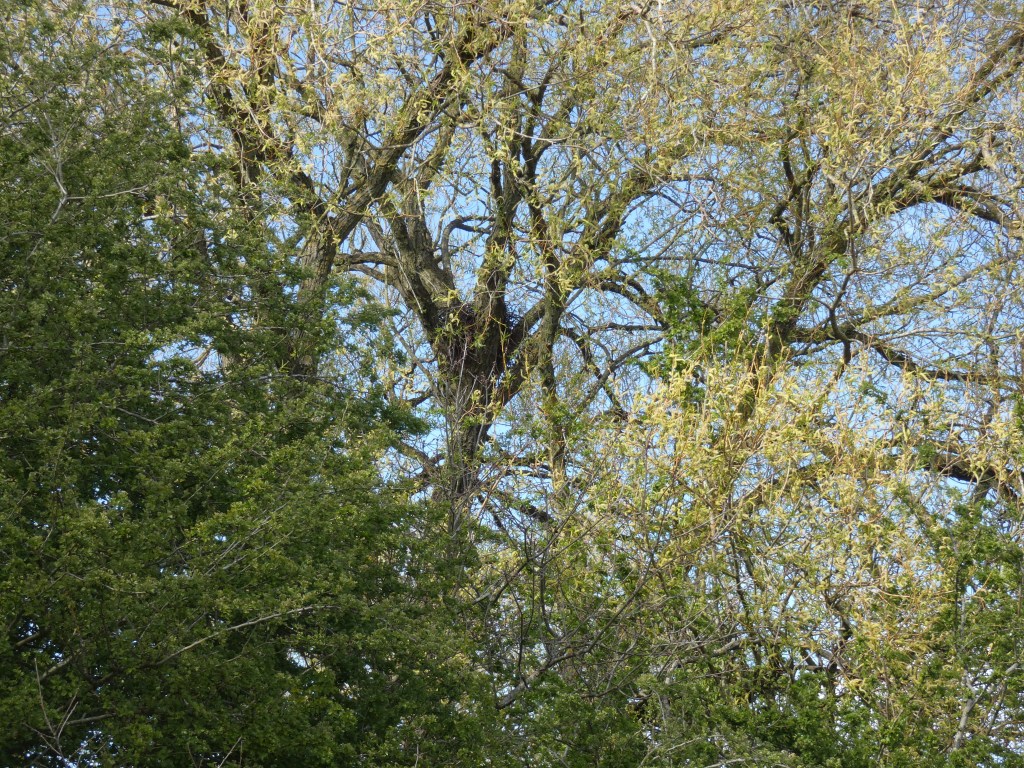
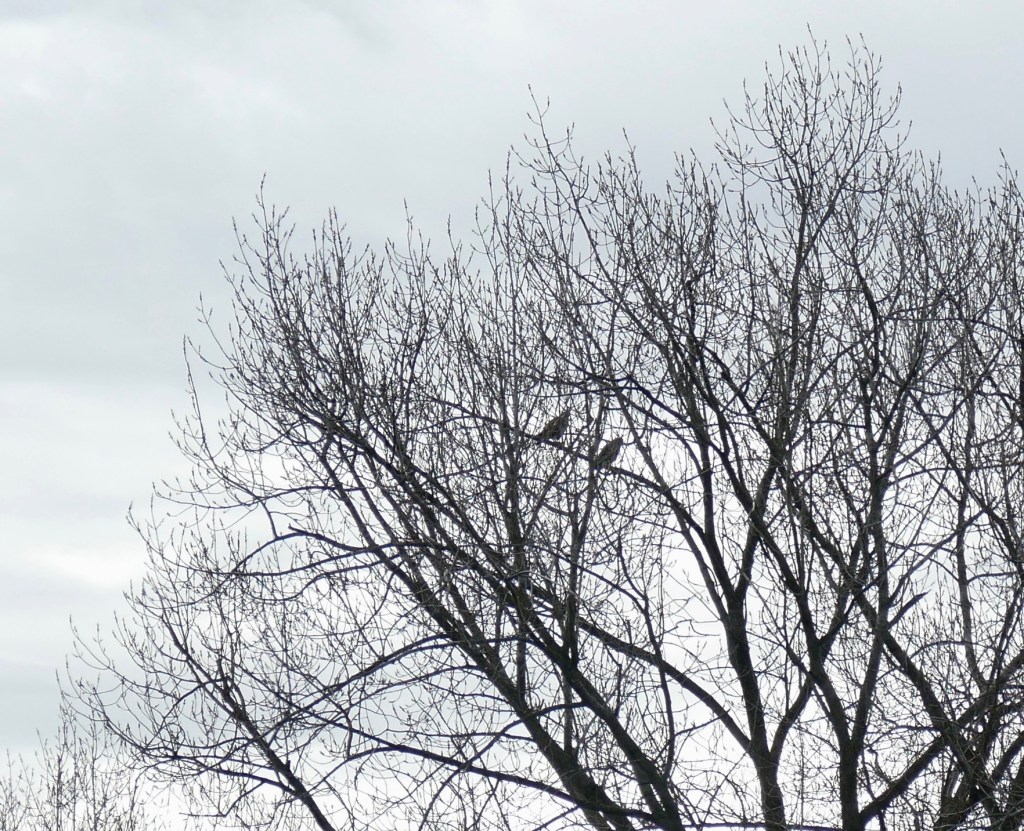
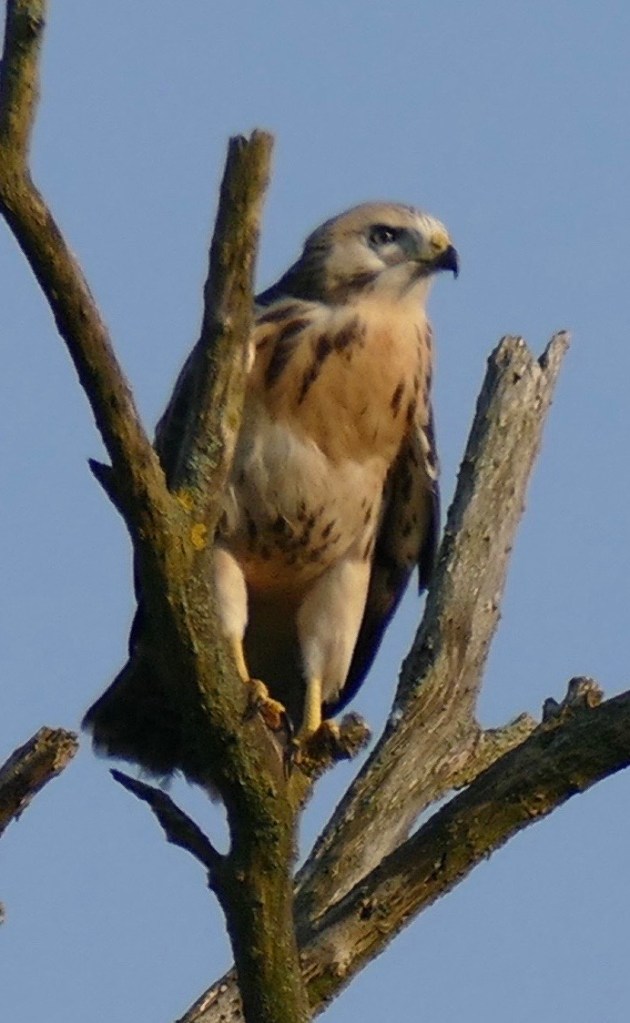
After the sad loss of our resident Crows, the void is at last being filled by a new and highly territorial pair which will hopefully take over the duties of patrolling the copse and alerting its occupants to danger. At this moment they are hassling Ezzy, the female Buzzard, who may have been hoping to sit quietly until Bosco joins her. These two have been much in evidence over the past weeks, especially on lovely sunny days when they have mated, as usual, in the master Italian Poplar. They have shown interest in the nearby willow tree they used in 2021 so we watch and wait!

The winter tolerance shown by Blackbirds and Robins which has meant happily sharing food on cold mornings is gone, with aggressive posturing and pursuit taking its place, and the Dunnocks flicking their tails to entice females into the bushes!

Our wintering Blackcaps have left for their breeding areas in Scandinavia, now we wait for the return of our sun loving Blackcaps from their wintering grounds in South Africa, together with the first Chiff Chaffs and summer migrants.

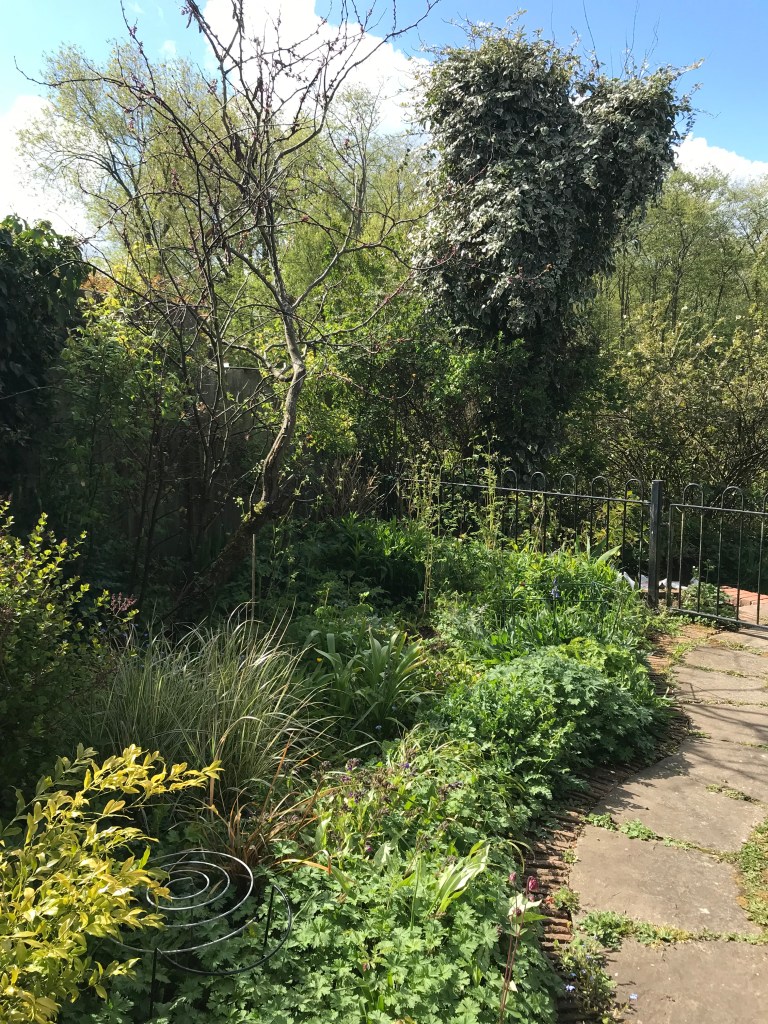
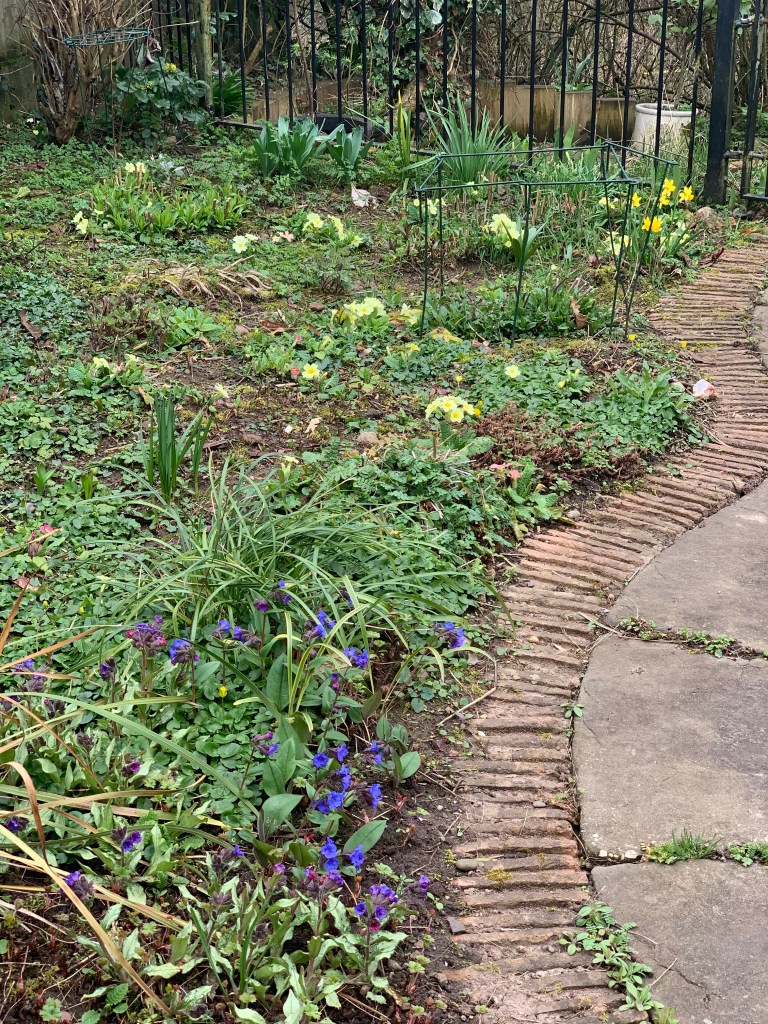
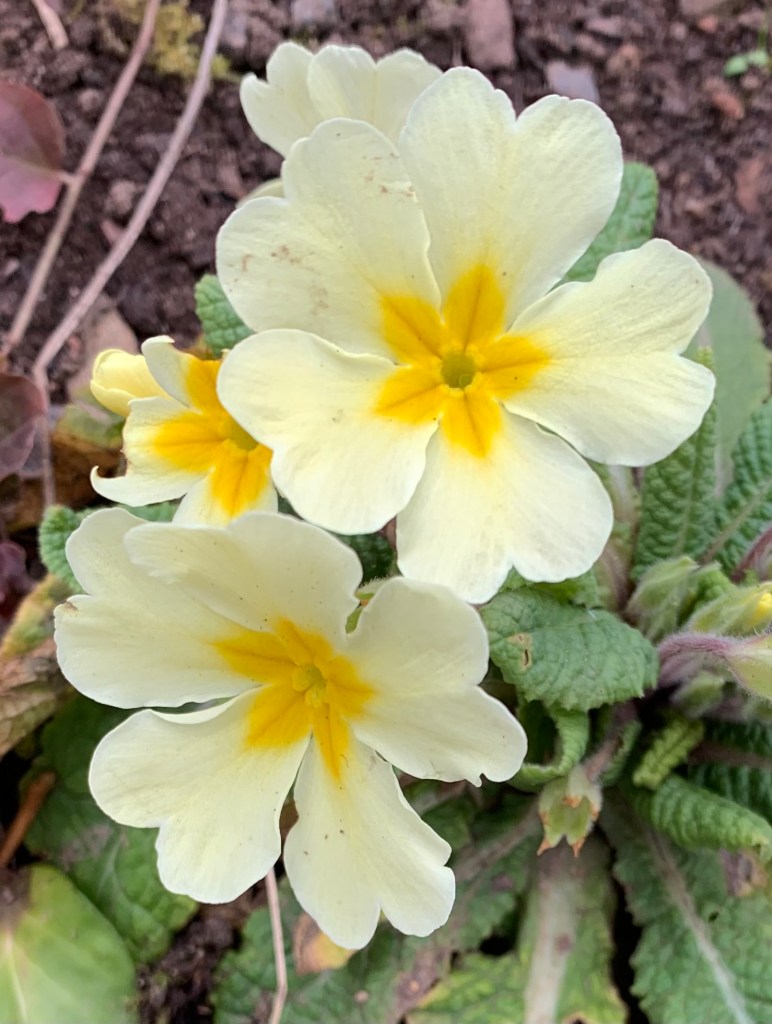
On the garden front, we have plenty of primroses, crocuses and the first daffodils showing. The Spring is getting earlier each year, with winters being milder, although we had a few days of -10c which has taken several plants sadly.
Here we are again, a ‘catch up’.

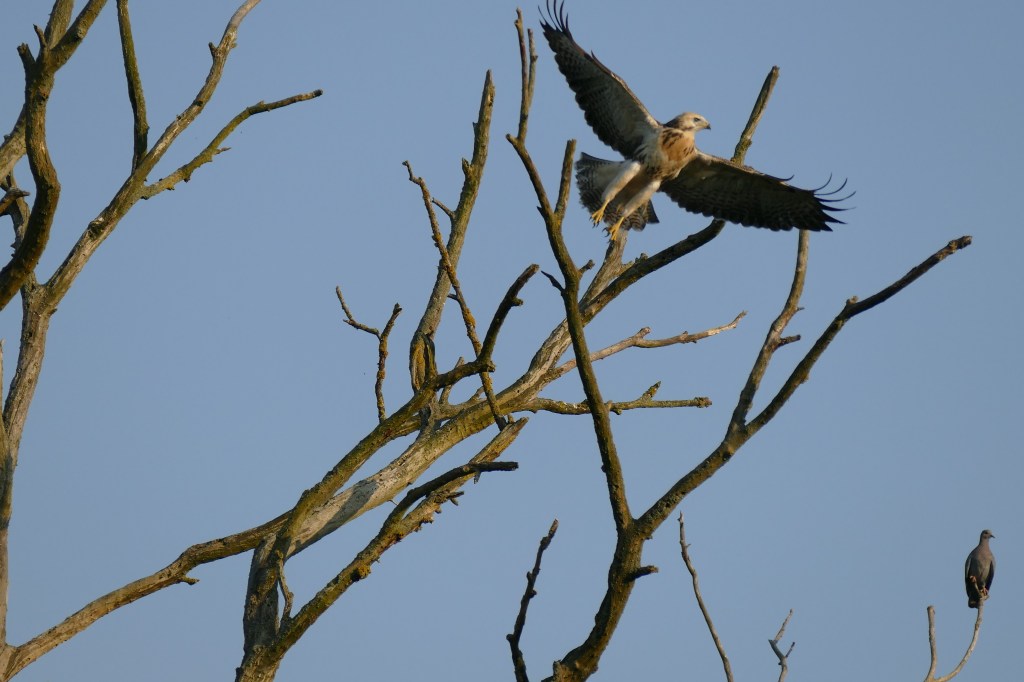
As my last blog finished, we were looking forward to a busy summer of nest watching, with the pair of buzzards settled and brooding eggs. Over the next couple of months we watched as Bosco began to bring in more food with larger legs dangling down (!), and we heard the youngsters calling for food. Mike managed a photo, from a good distance, of a downy chick poking its head up but as the nest faces away from us we were limited in what we could see.

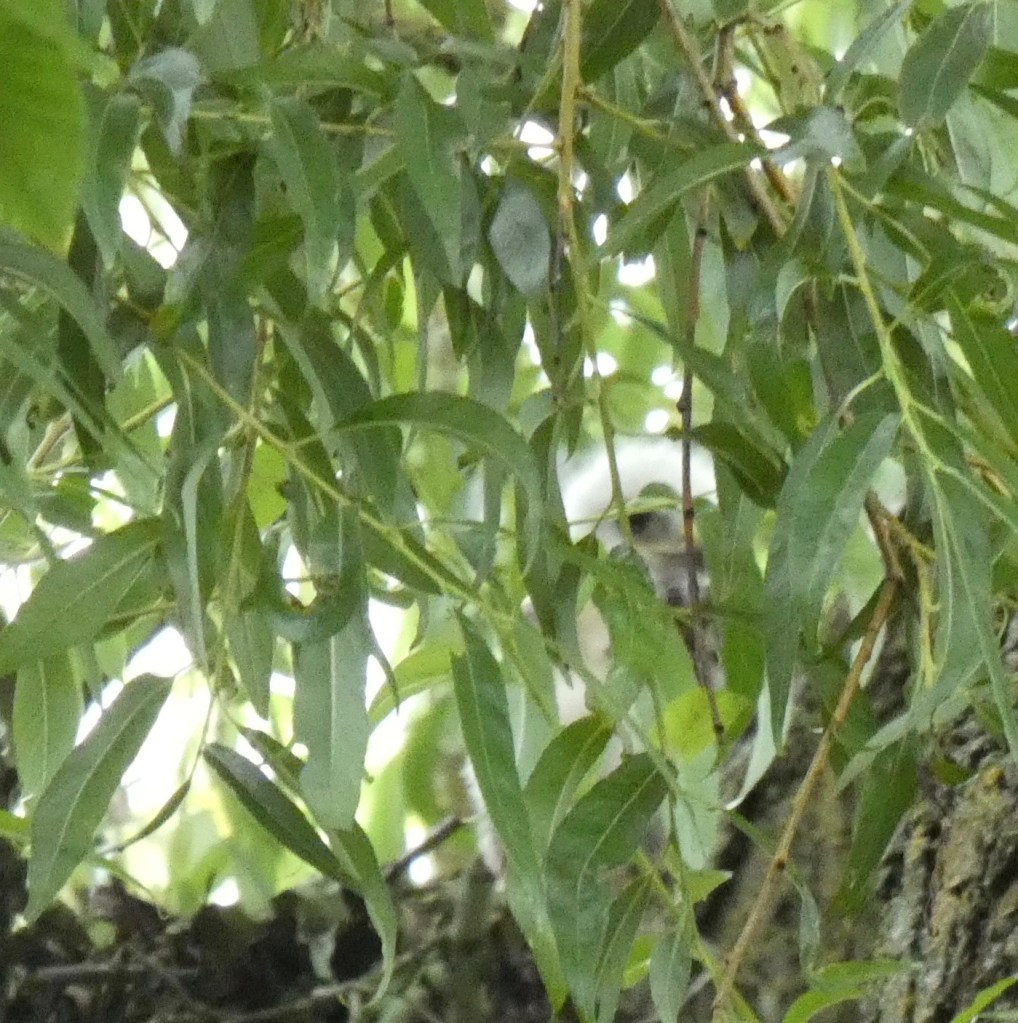
One of the youngsters peeping through the willow.

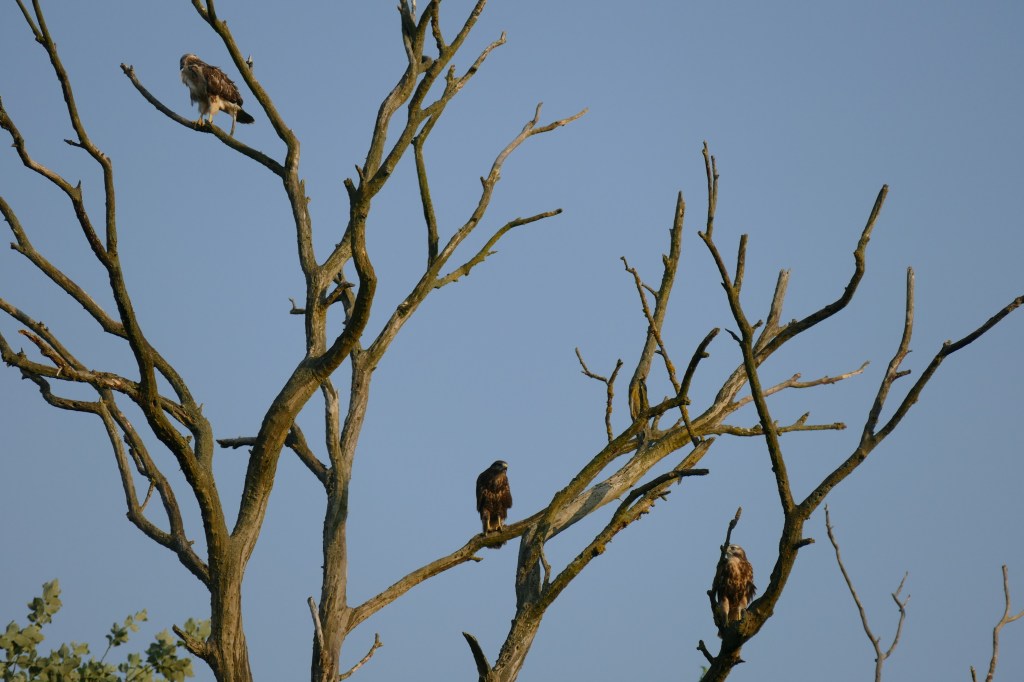
By the end of the summer we had three beautiful young buzzards using a dead tree by their willow nest site as a handy landing place for initial flights.


Sadly, the rather beautiful bird with the lightly marked chest disappeared and we haven’t seen it since. The rest of the family stayed together until well into the autumn and we would see them high above in the thermal created by the escarpment below us.

We also had the pleasure of redpolls on the feeders for the spring and summer months of 2021, before they, like the siskins, retreated to the woods to harvest more natural foods. We have the occasional siskin now and I’m anticipating the redpolls imminent return but with this ridiculously mild weather, I may be waiting for some time!

It is with sadness that I have noted the loss of our Crow family. At the beginning of December I heard shooting the other side of the river but it was only about a week later that I realised that the familiar ’kraar’ of the male crow as he and his mate sat in the tallest tree was missing. The crows were the ’alpha’ birds, dominating the copse community, bossing the jays, keeping alert for intruders of any kind and seeing off the sparrowhawk if it landed in the copse after a garden raid. There seems to be a void now, an uncertainty, an emptyness which will, no doubt, be filled in the coming season – but for now, I miss them.

Ezzy the Cormorant?

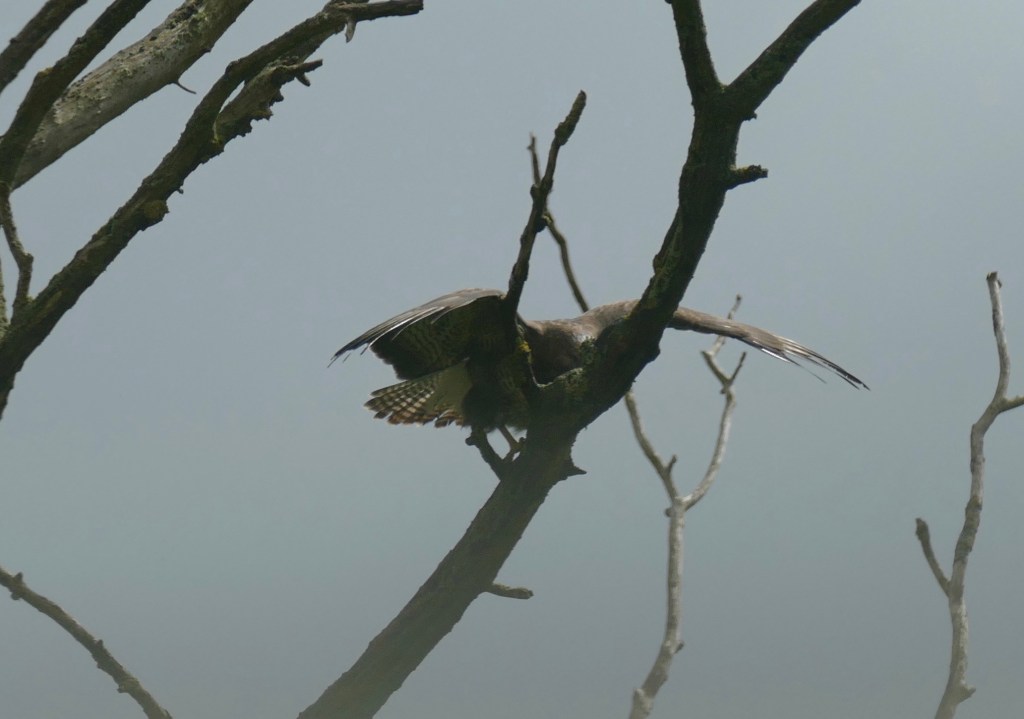
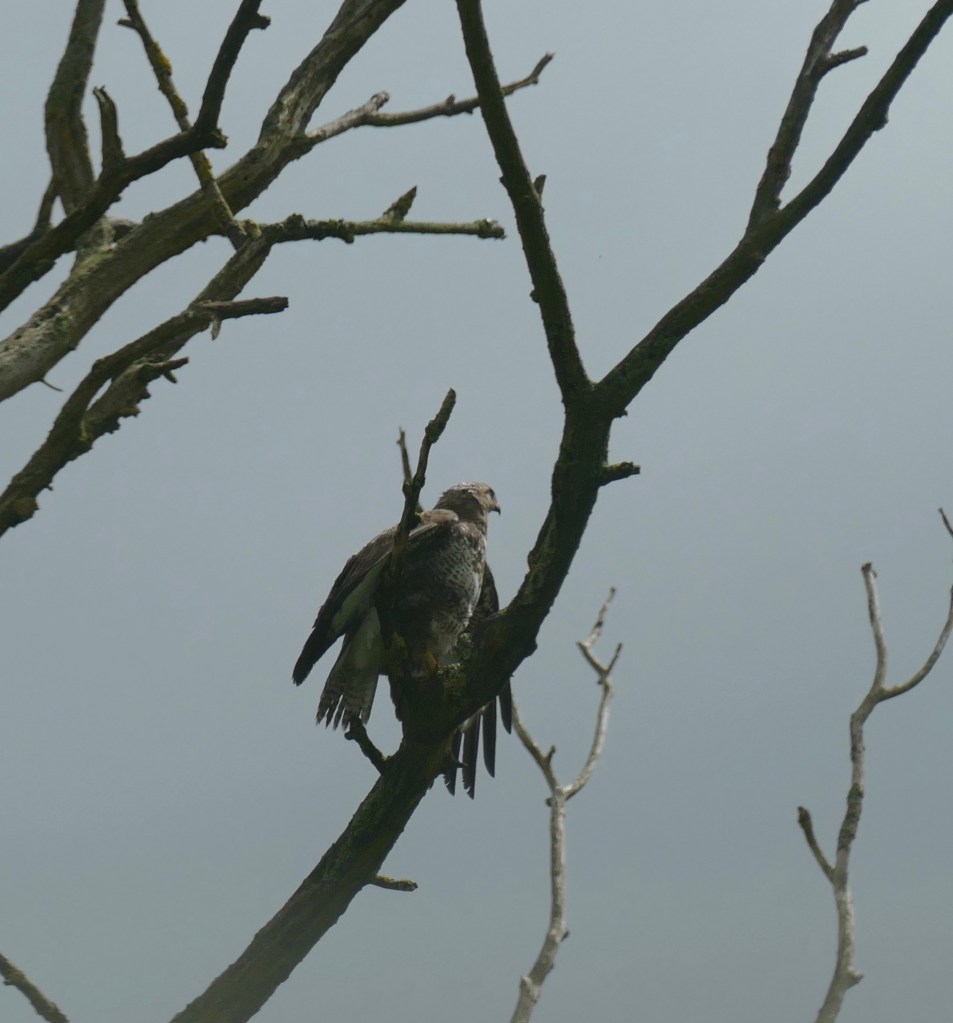
Just a quick mention of poor Ezzy, sitting tight on her eggs and getting soaked for her efforts! It did stop raining briefly so she flew round to the dead tree to spread her wings and dry out a bit, giving a great imitation of the local Cormorants. It’s such a privilege to have Buzzards nesting so close to us – we are getting used to their routine, too. I always look to the big Poplar at breakfast time where Bosco, her mate, perches, high in the tree, a very visible sign that this is his patch!

“We’re going on a Bear Hunt!”

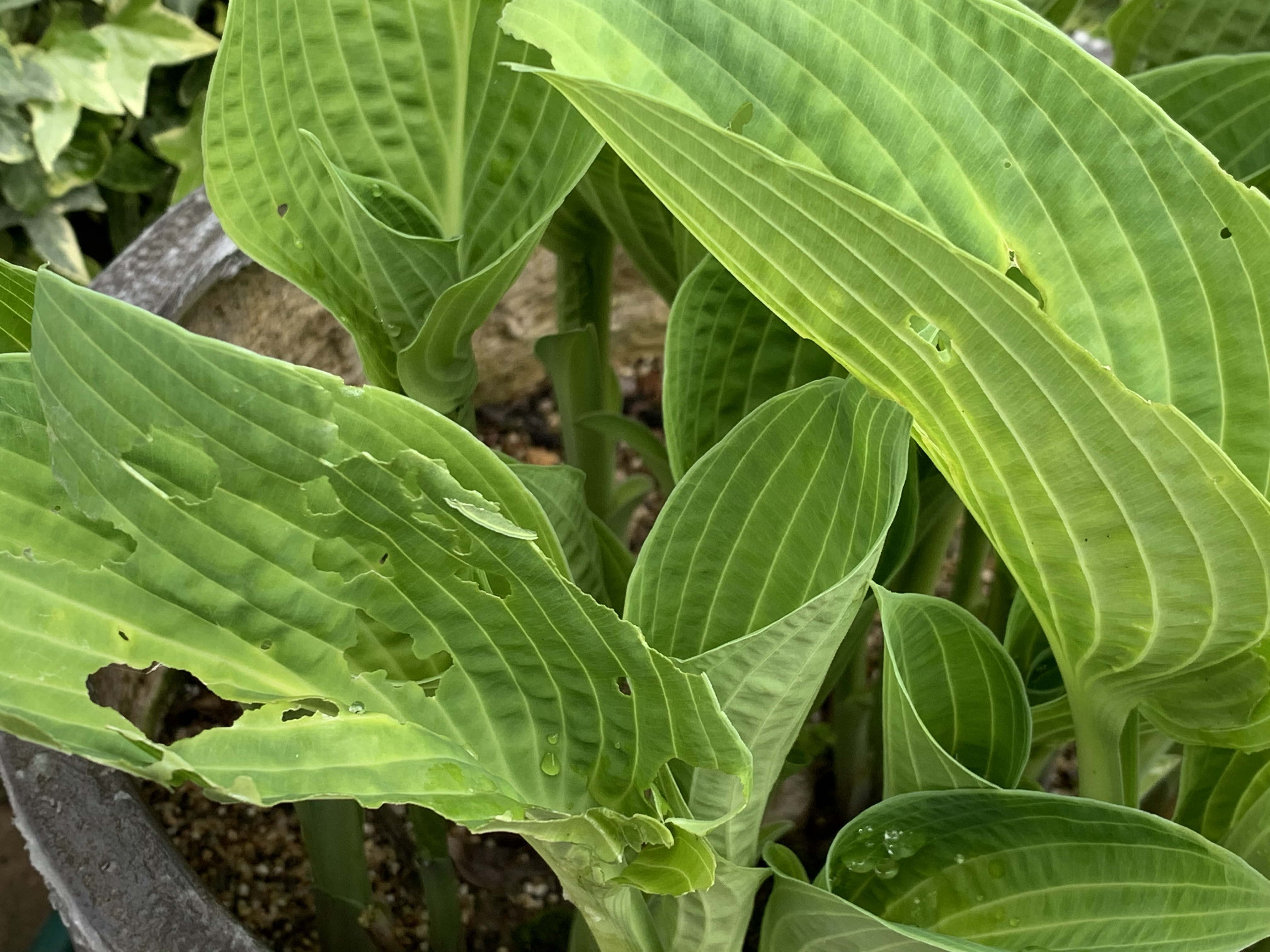
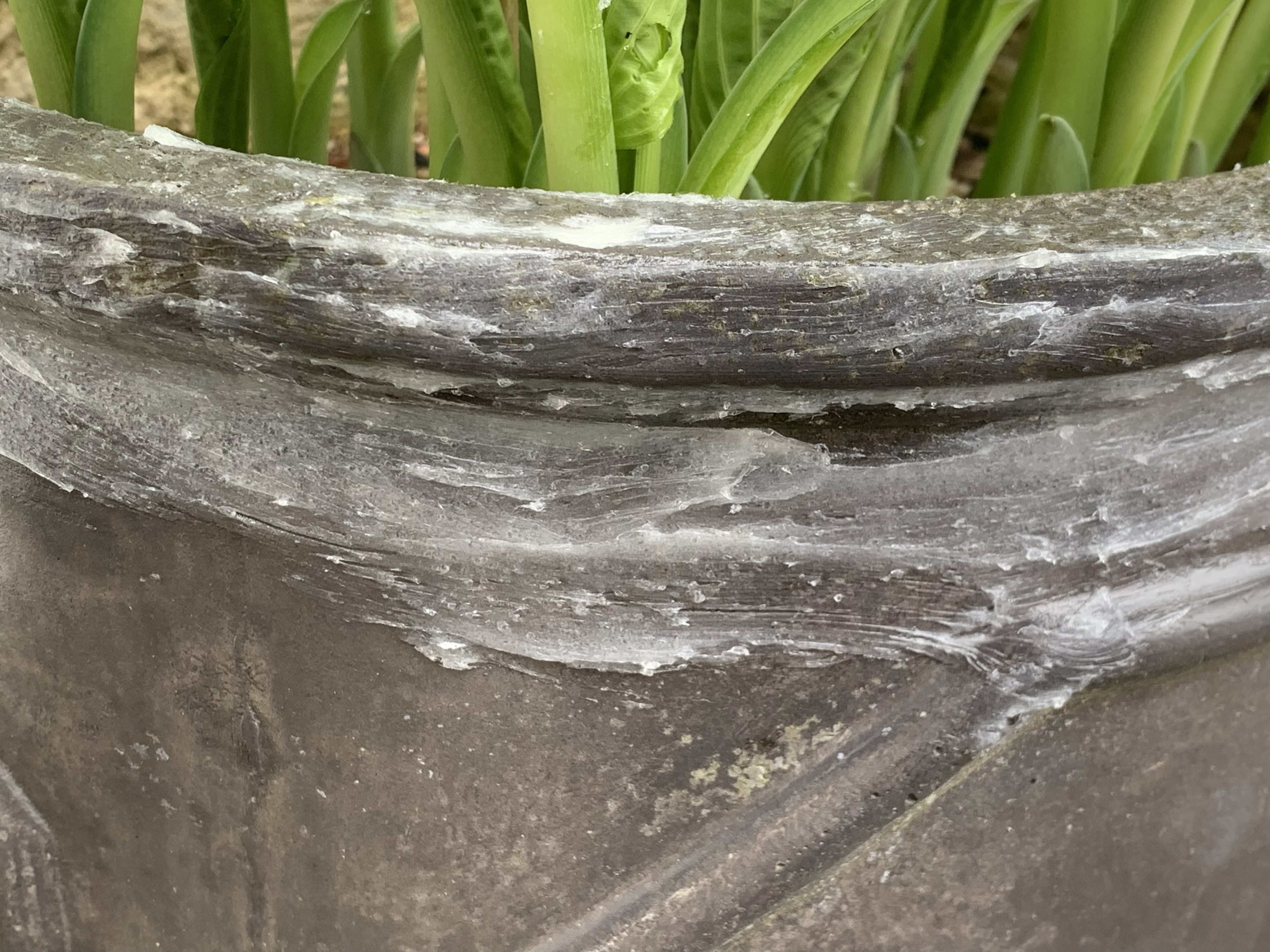
“We’re going to catch a Big one”, well, not actually a bear, rather a snail, but it had to be a Big one! That was the idea anyway, as I wanted to try an experiment to deter those monsterous creatures from devouring my hostas. I had heard that a mixture of Vaseline and salt smeared round the pot would put snails off, so this morning I stirred up a greasy mess and wiped it around my precious plant’s container. After I had finished, the thought crossed my mind that perhaps I should test the reliability of this method of defence (bit late in the day, but what the heck, it was bound to work, wasn’t it?) so I set off to find my biggest snail.

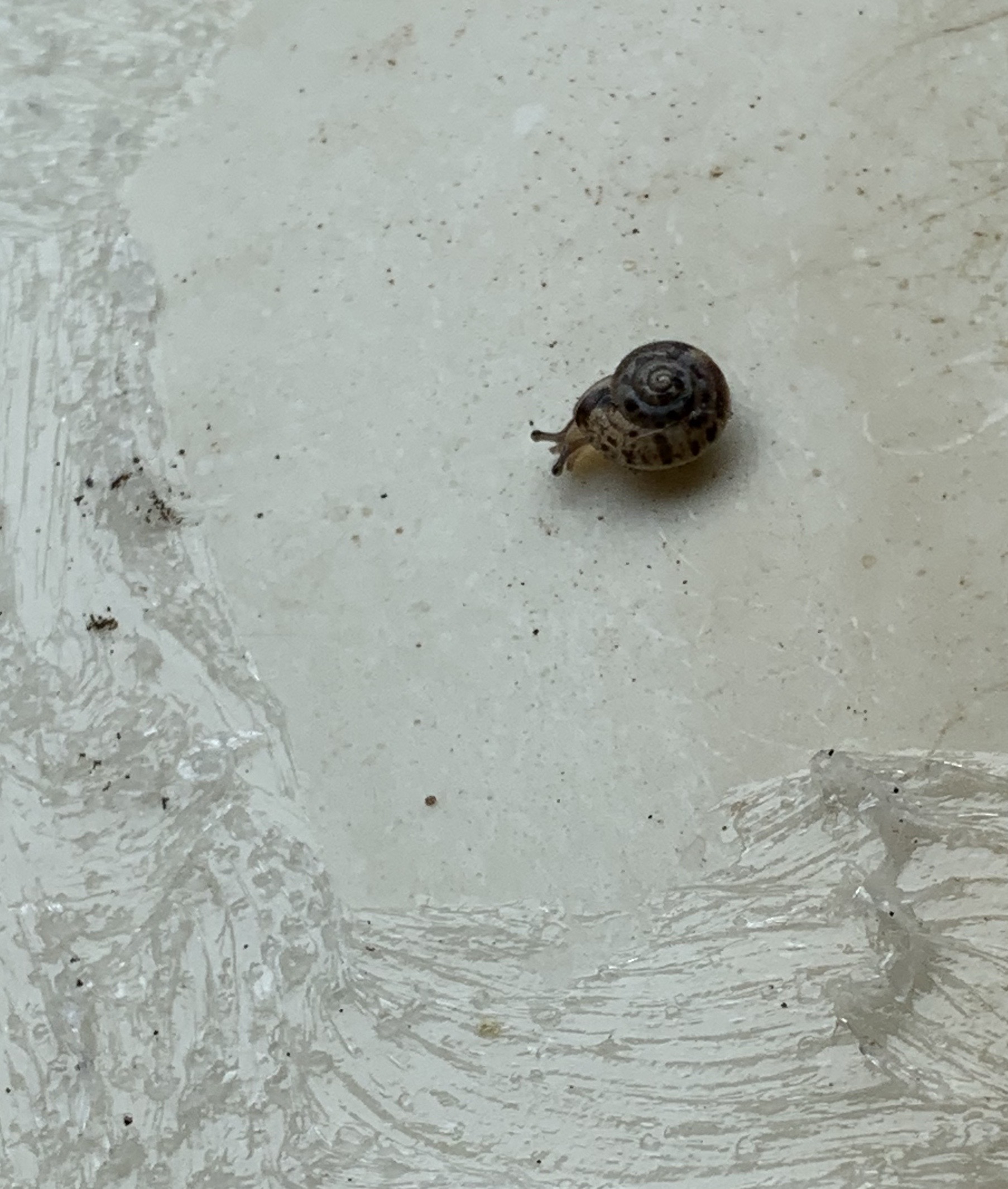
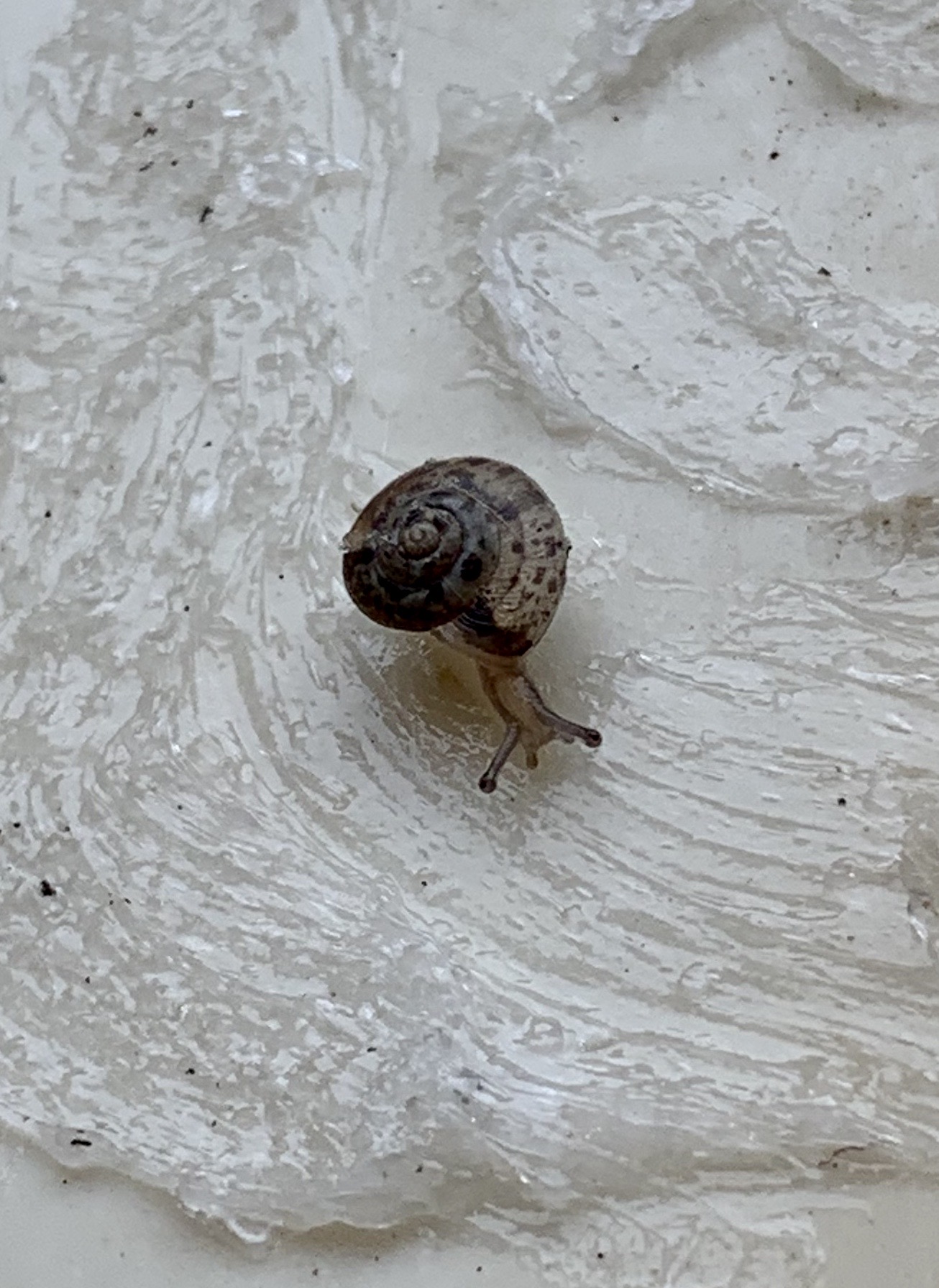
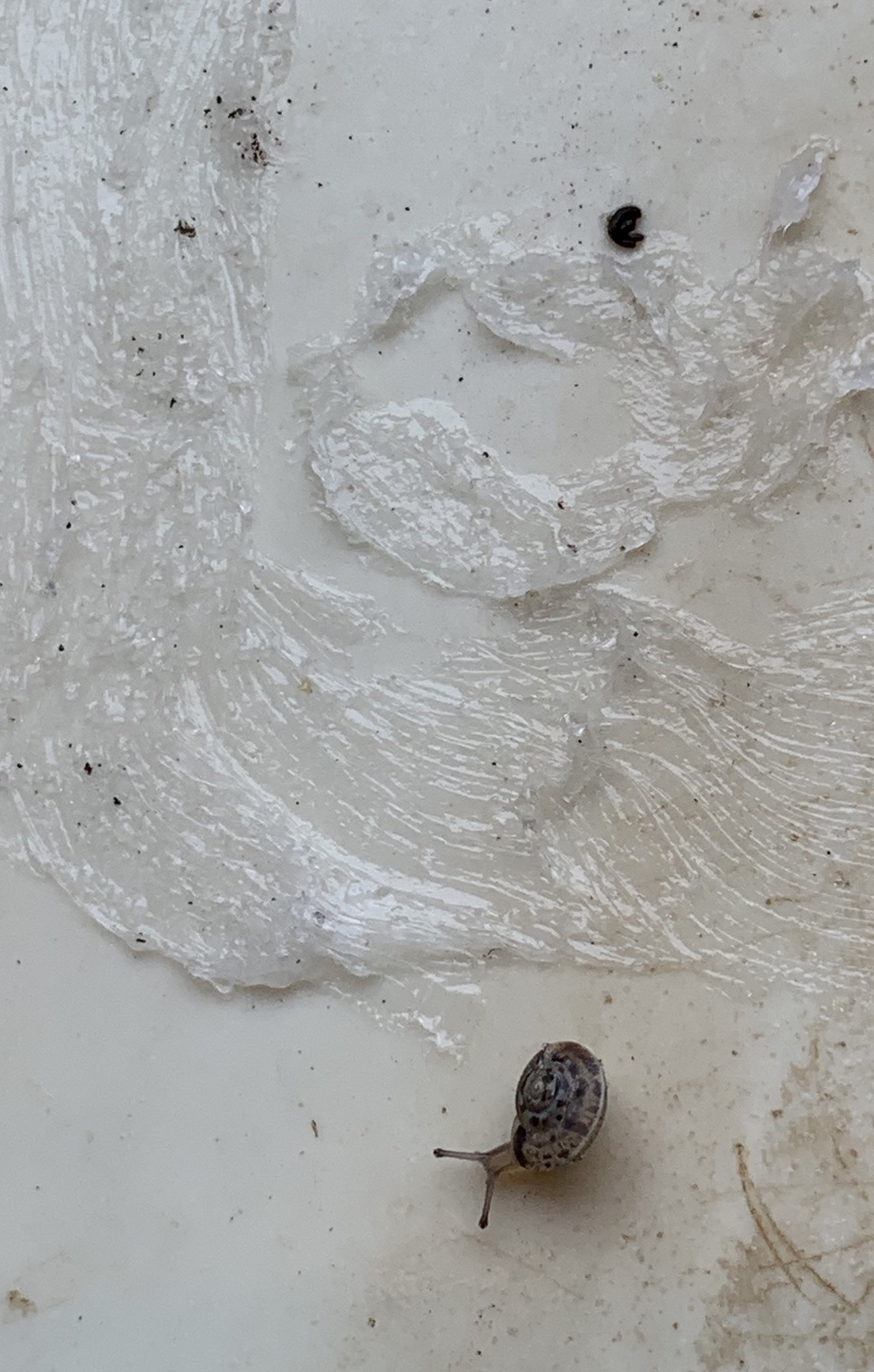
It seems that snails have more brains than I gave them credit for, and hide very successfully during the day. The only subject willing to take part (!) was a very small Girdled Snail, which I duly brought in and explained to it what was needed. All it had to do was to decide whether or not it would cross a Vaseline barrier smeared on the base of my washing up bowl (I use this for all my snail experiments, for instance, with the square of copper tape from which last year’s snail escaped immediately!). It took a while to think about it, while I chatted encouragingly, and eventually it moved, gliding slowly and carefully straight over my impregnable barrier.

So that’s that then – snail 1, me 0.

Sadly it’s back to the nightly torch and the overarm bowling down the bank!

(No snails were harmed during this experiment, I took it back to a lovely spot not too far from where I found it!)

Top left; The Problem, bottom right; My Answer, two, three, and four – what the snail did!

The feeding frenzy has begun!

As I write this, I can hear (am almost deafened by!) young starlings as they clamour for food. The nest is in the corner of the roof above me and the parents are keeping up a pretty constant supply of food, some gathered from our feeders and some good wriggling offerings gleaned from the surrounding area. I reckon they are fed about three times in a four minute period, good going I would have thought. The chicks certainly sound healthy enough! There have been a couple of panic moments with both parents and blackbirds alarm calling, both times the magpie was the cause – strutting along the roof towards the nest area. I’m not sure if it could get under the eaves but I chased it away, just in case.

Pigeons are hogging the feeders again now they have youngsters, as well as arguing with any other pigeon that comes near. The posturing and wing flapping as they try to manoeuvre their opponent off the feeder is hilarious, and usually ends with a crash landing from one of them on our sloping conservatory roof, accompanied by loud scrabbling noises as they try to get a purchase on the slippery surface.

Siskins are well in evidence, although we have now lost the redpolls, and as they breed in the conifer wood the other side of the river we see them up until the late summer. They then disappear until February in a normal year but in 2020 they came back well before Christmas and have been with us ever since.

I saw my first young blackbird this morning, rather later than normal, but the first brood was lost to the magpies and the next nest was in a more sensible place, thank goodness.

It’s really quiet and peaceful (apart from starlings and pigeons), just the song of the blackbird, occasional call of the ravens as they fly up the river, and the ‘chak’ of the jackdaws in the copse. There are two pairs nesting in adjoining trees – good to see them in natural sites instead of coming out of chimney pots!

I still find it hard to believe that we have a buzzard sitting on her eggs about 200 feet from where I am sitting. I’m also surprised at how they have now been accepted by the copse ‘hierarchy’ of crows, magpies and jays. Previously, a buzzard perching in the copse would be ‘outed’ very quickly by the local gang, magpies going as far as pulling tail feathers to encourage it to shift. However, now they are nesting they are left alone, even when Bosco, the male, sits high in the Italian poplar he is left in peace. Apart from sometimes calling on returning to the nest, the buzzards are being very quiet, if you didn’t know they were there you would never guess.

Below – The garden at the start of May.

Our weather has been ‘changeable’ for the start of May, frosts continuing from the constant frosty nights of April, together with lovely sun, pouring rain, plus thunder, lightning and hail storms. The plants keep growing though and a few days of quieter weather allowed the amelanchier to flower untroubled by wind.

The Italian poplar, slow to come into leaf, dominates the back edge of the copse.

Spring has Sprung!

The garden is full of primroses, birds, bees and a fair sprinkling of butterflies, with the bank in the copse coming out of its winter drab and turning green with fresh nettles.

Our buzzards are well set up in the willow tree about 200 feet from where I’m sitting in the conservatory, unfortunately the nest is on the far side of tree trunk so not too much to see but I’m sure we will hear plenty from the youngsters if they are successful in raising a brood.

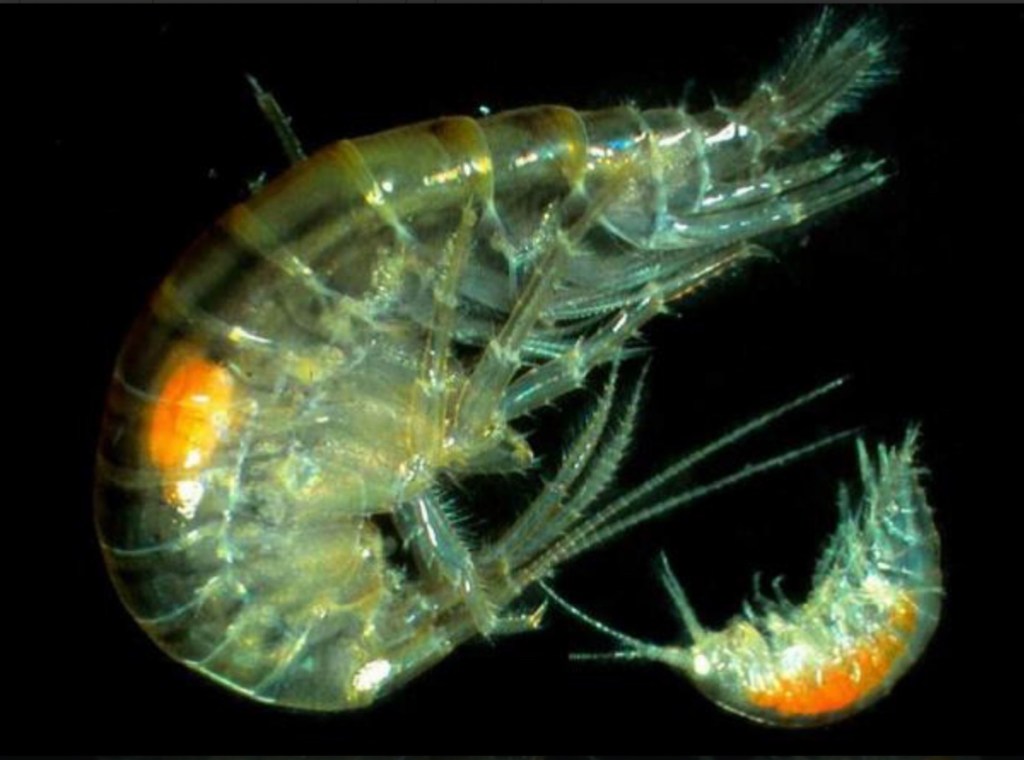
When I was doing a bit of pond watching, I noticed some of the freshwater shrimps had an orange/red mark, some with a larger mark than others, and when I looked this up I found it I was the larvae of a spiny-headed worm. Their life cycle needs to be completed in the intestines of a bird or fish and by making the shrimp more visible it increases the chance of being eaten and so getting in a position to fully develop to an adult. Apparently some shrimps can host up to 1000 tiny larvae in their gut. After they are infected, instead of keeping out of sight in the depths of the pond, the shrimps come near to the surface on floating plants so exposing themselves to predators. This is an amazing example of a parasite changing the behaviour of its host to suit its own ends.

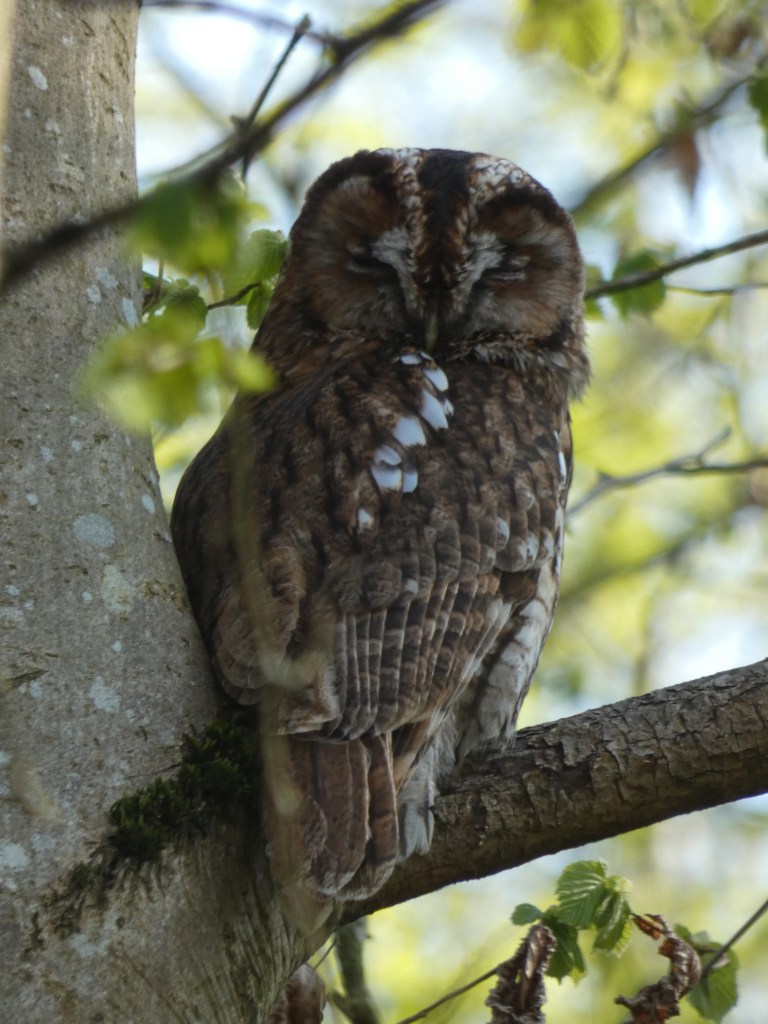
As we sat in the garden with a cup of tea on Saturday, I heard the local jay and the blackbirds getting very het up about something, and, looking through binoculars, spotted a Tawny owl pressed up against the trunk of an alder tree. The poor creature was being shouted at, at close quarters, by our ‘band of enforcers’. Mike walked down and took this lovely photo.

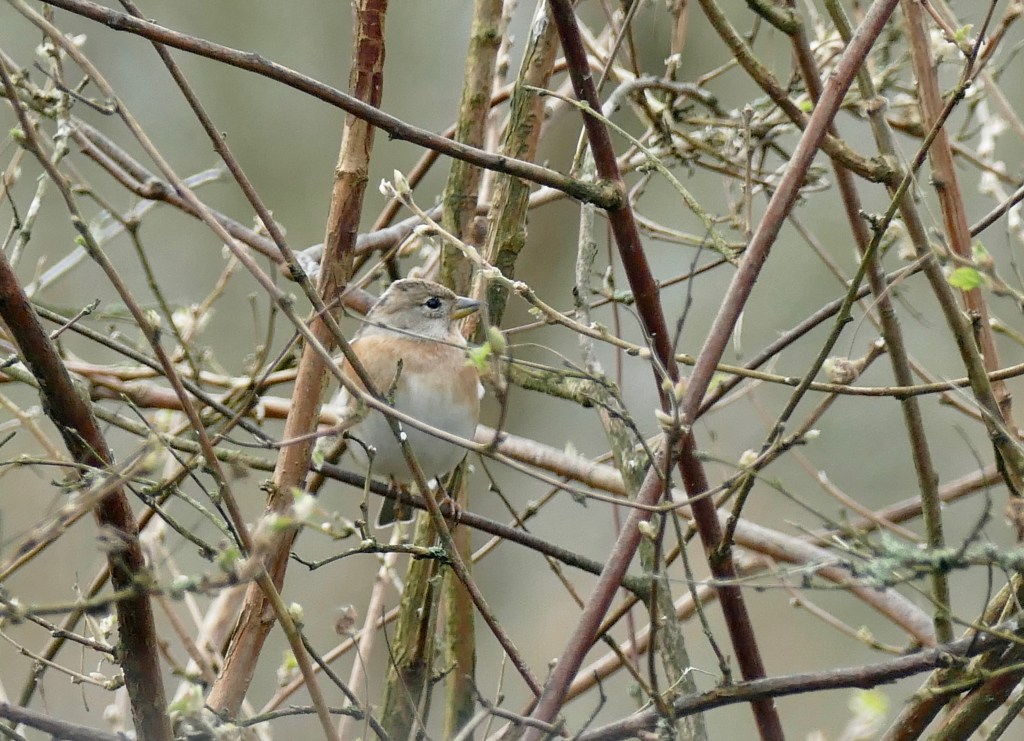
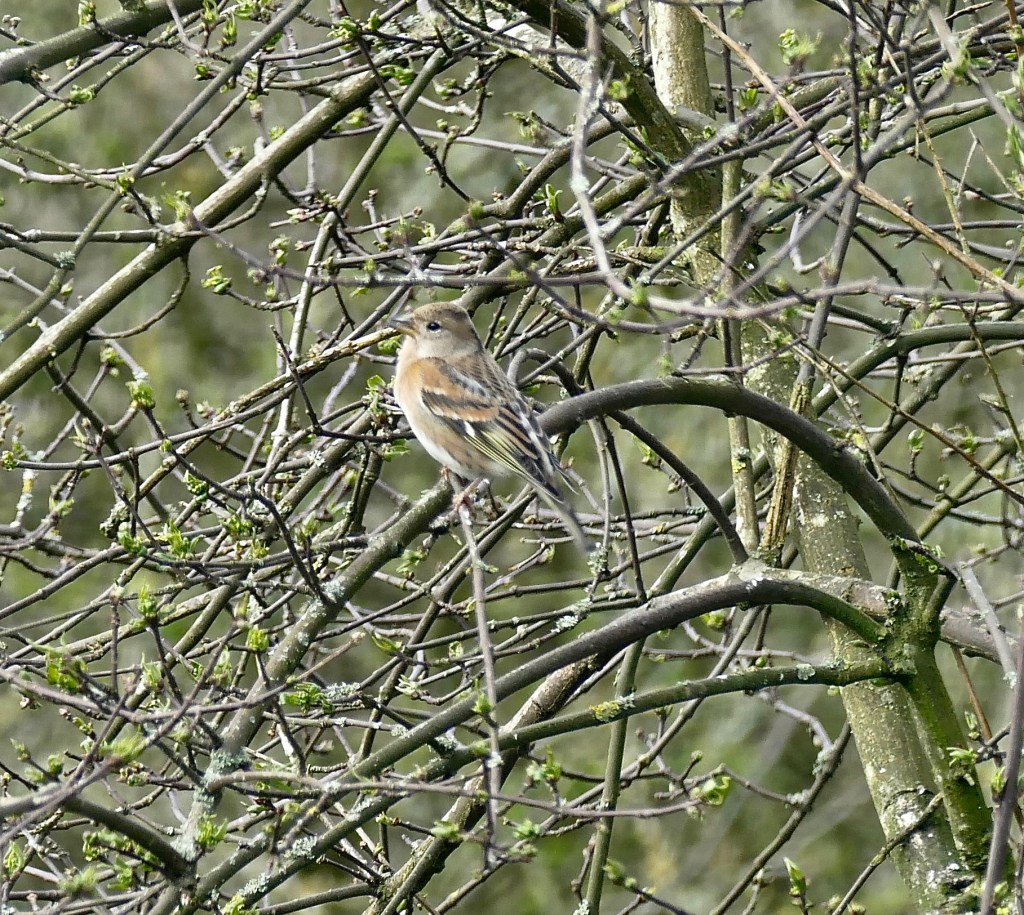
A Brambling at last!

It’s well over 20 years since we had so many in our old garden that if we checked which birds were on the feeders the response was often ”only Bramblings”! Despite keeping a close eye on the feeders all winter with no luck, I did think I’d seen a female a couple of weeks ago, but it was a very quick glimpse so I couldn’t be sure. This morning, however, we had a lovely view of our first Brambling for several years in our present garden.

Sadly, the hen blackbird is sticking to her tree top nest, right in the line of sight for the magpies, which are nesting in a tall fir just one garden away. I assume that magpies will go for the eggs when they are laid (although they are probably better protected when they are being incubated) rather than waiting for chicks to hatch and provide a better meal? I don’t think they can be that calculating!

The Buzzards are Back!

Despite a rather cold and blustery wind, the buzzards have swung into action on the Poplar tree. There were at least three matings this morning, although as their ‘usual’ branch was twisted off in the Autumn gales, they have selected a spot further into the tree. This means there is less scope for the aerial dive-bombing method I’ve seen in earlier years, which may be a relief for the female? Anyway, they have re-established their bond and look set fair for the coming season.

It will interesting to see if we have another wandering Red Kite this year. Last summer we watched our first, in the nineteen years we have been here, float over the copse and away across the river. Just yesterday we saw another flying near Ockeridge Wood so they are moving steadily in our direction.

In the last week or so we have noticed that the redpolls are not visiting the garden as frequently and there are fewer of them, the siskins, too, are decreasing but they will probably stay around longer as they breed locally.

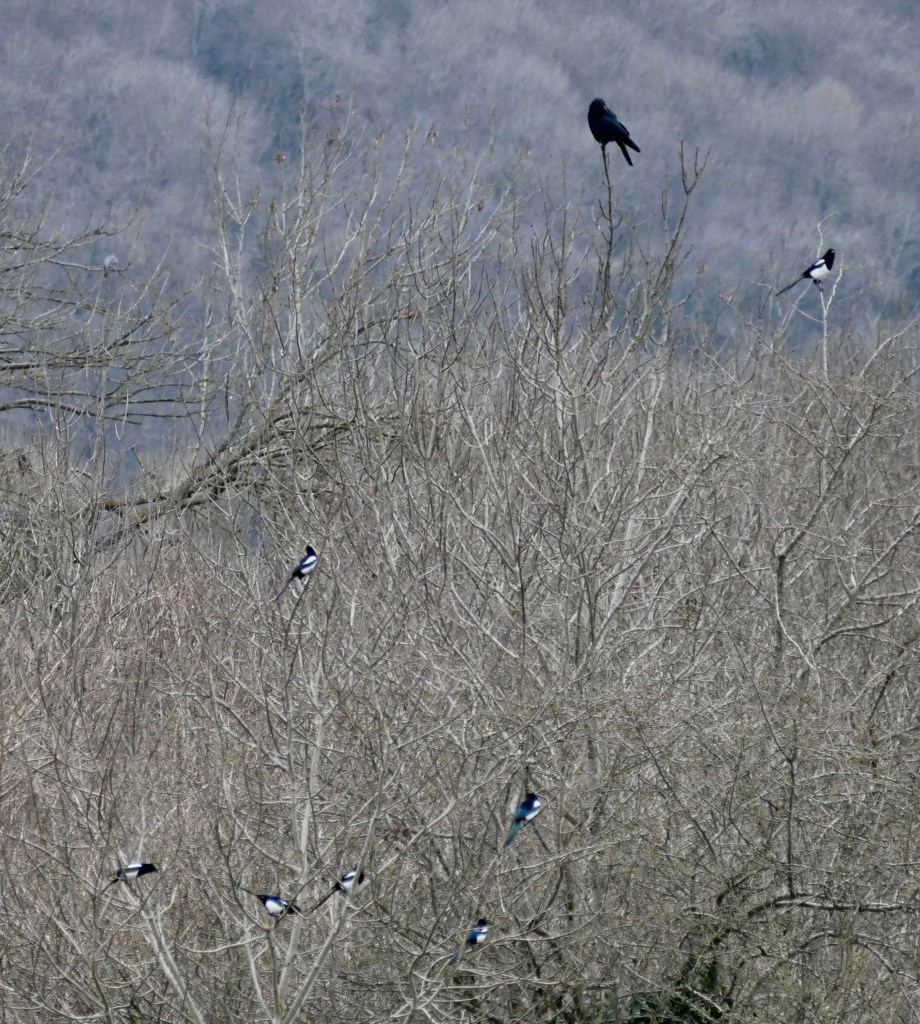
I sometimes wish I could understand what birds are saying – not just the general contact calls or alarms, but the conversations they have, especially the corvids. As often happens at this time of year, we are seeing gatherings of magpies, 18 one morning, and a dozen yesterday, and I find the interaction between them so interesting to watch. The other day it was as if the crow was orchestrating the gathering – he sat right on the topmost branch and had magpies ranged beneath him, but not in a threatening manner, as if they were hanging on every ‘direction’ he gave. They moved through the trees but always with the crow at the top, unfortunately I couldn’t see if they were following a perceived threat or if it was simple curiosity that drove them, possibly a strange dog or cat – we’ll never know. But wouldn’t it be interesting if we could!

It can be hard watching the natural order of things in the garden though, particularly where magpies are concerned. I’ve been watching the hen blackbird making nest right at the top of an ivy covered dead tree and was worried that the site was very open to avian eyes. Sure enough I heard an alarm call and there was a magpie perched in the ivy, checking out the nest. Hopefully the blackbird will take the hint and try again somewhere safer from prying eyes.

Apart from the pigeons in the ivy, and sparrows and starlings under the roof, birds don’t tend to nest in our garden, despite plenty of possible sites. I think this is very sensible – our garden is a bit like Piccadilly Circus, always busy, we feed throughout the year and so it attracts all sorts of birds, including the Sparrowhawks. Not really the best place to bring up your offspring!

Here is the garden beginning to wake up!

The season quickens…

It is midday, gray and overcast. The wind is blustery, squally, unsettling the birds and making the boughs of the big Italian Poplar swirl and twist like a fine seaweed caught in a strong ocean current. You can hear the gusts approaching along the valley and then the branches start to sway – such power, to move such a majestic tree and make it look as easy as blowing seeds off a dandelion head.

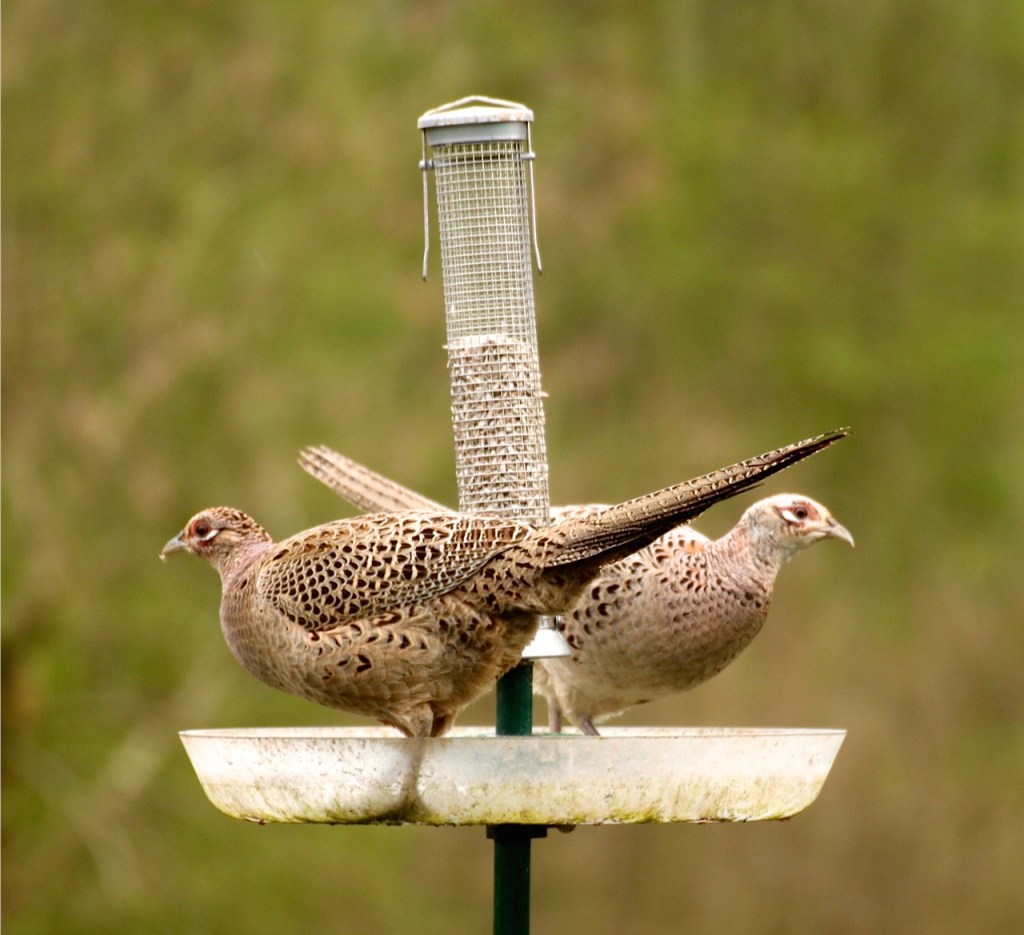
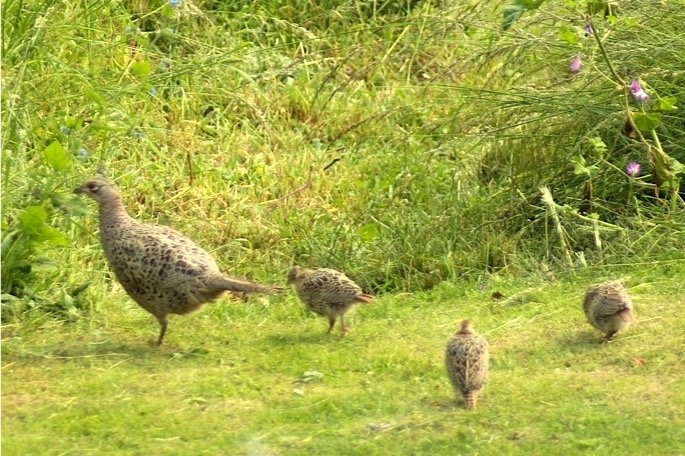
Earlier this morning, the sun was shining and there was that bright promise of new life in the air. Goldfinches were flicking their tails and trying to get the attention of females, the robin chased his rival from the garden, the pair of magpies worked to detach twigs from the alder and the buzzard checked out his favourite courting branch in the poplar. We even had a cock pheasant in the garden, after months of not seeing one at all. For years we had a resident cock with his harem of ‘three fat ladies’ as they were knicknamed. One summer a proud mum brought her brood up the bank to visit and they became regulars too, even copying the adults who learned to fly up to the feeder tray.

We had a lovely sunny afternoon yesterday, and I saw, and heard, my first big fat bumblebee of the year, a queen Bufftail, I think, plus two hoverflies of different species, a rather handsome fly (Pollenia rudis) and a 24 spot ladybird.

That ‘brink of Spring’ feeling!

After a couple of very boring weeks, grey skies, vague scatters of snow, and a few days of bitter cold (-4.3c), we have a breath of Spring in the air. The temperature has risen, we have primroses and snowdrops, fattening buds and a decent patch of blue sky. The best sign for me is the Song Thrush, which has been singing its heart out this morning.

There are plenty of other birds that have heard the whisper of Spring; robins beginning to stamp their authority on ‘their’ patch, male dunnocks flicking their wings and tail feathers as they defend their territory and, out in the copse, the crows are noisily laying down their own rules of entry. I have seen the occasional buzzard, but no courting behaviour yet.

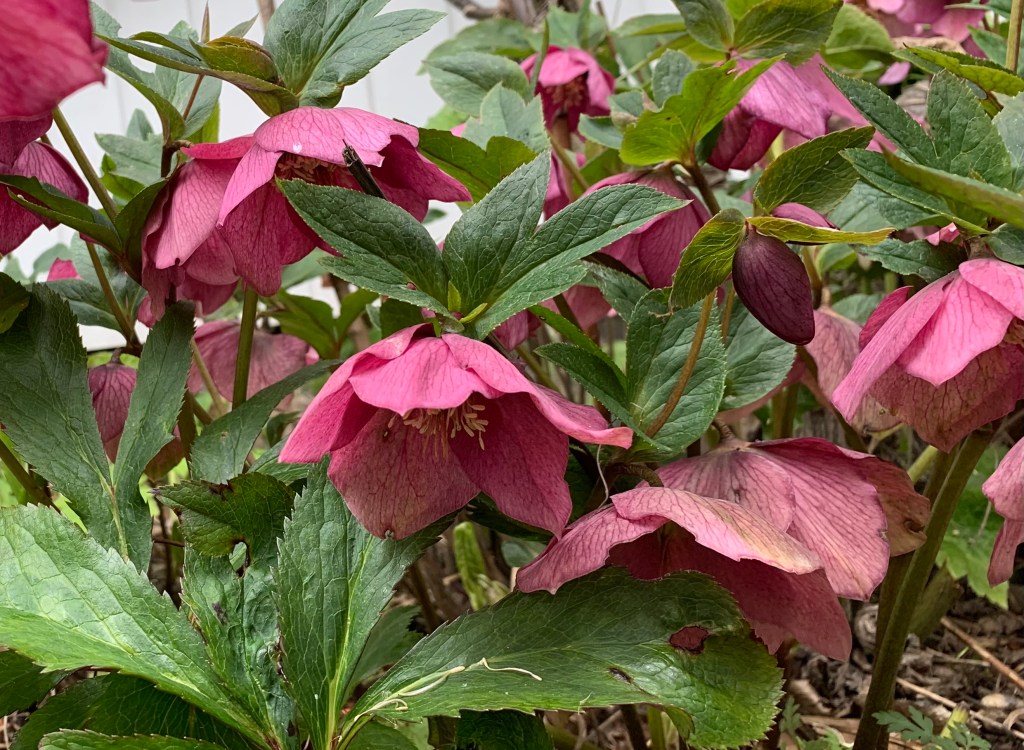
The hazel bushes are a lovely sight, covered with pale yellow catkins – plenty of pollen for any early bees that venture out, while in the garden our Christmas roses offer plenty, too.

So far this morning, we have had fewer birds than usual and hopefully that means more natural sources are open to them, rather than depending so much on our feeders. It has been good to see that our neighbours on either side of us have also put out feeders this year. Unfortunately, they don’t have such good anti-squirrel measures in place, so there is a fair amount of clapping and shouting when a marauding gang invade! I’m sure our local squirrels stay in family groups, you rarely see just one!